 Figma
Figma API
API Web to code extension
 Adobe XD
 Discord
 Twitter
 GitHub


 Blog
Blog

Anima Skill 🦞: AI agents can now design, explore, and publish apps with Anima4 min read
Reading Time: 3 minutesToday, we are launching Anima, the UX design agent.
Design is code.
Anyone can ideate with LLMs in vibe-coding platforms and go from idea to concept with zero design or coding skills. But that doesn’t make everyone a professional designer. LLMs still have a big gap: they are design-blind. The result is AI slope, and the same pink-purple UIs everywhere.
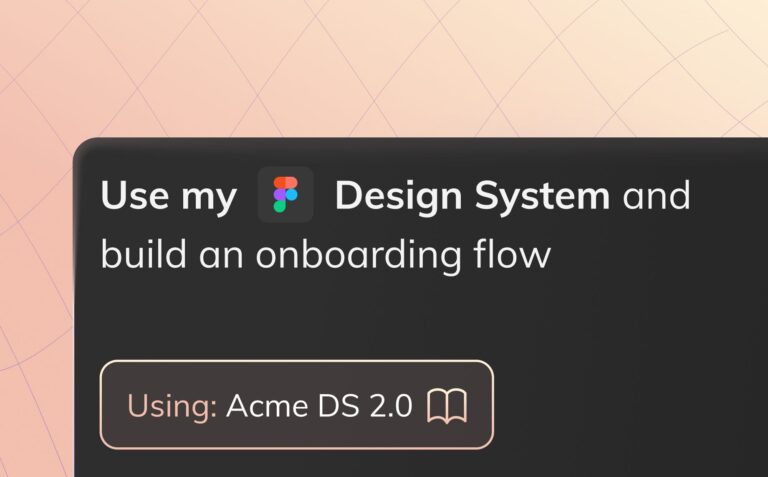
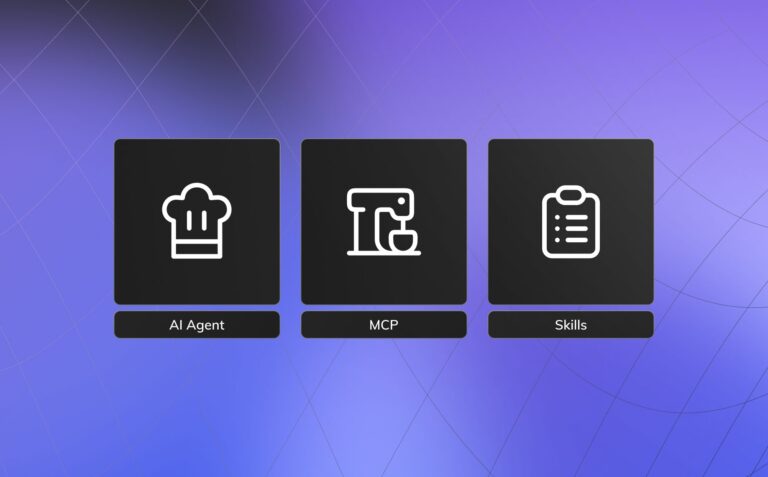
Anima understands your brand and design system, and it plays well with other agents via MCP. In this new world, code playgrounds are the new design files. Shareable, versioned, and ready for handoff. With a few key differences: they are real code, responsive, with data and auth. Design as code serves as a shared language for humans and AI, and prototypes can now cross the line and turn into real, working apps and websites.
Key takeaway: Unlike other coding/designing agents, Anima understands your brand and visual language as you ask it for design drafts.
Anima now lets AI agents like Claude Code, ChatGPT, and OpenClaw create full applications, generate multiple UI variants in parallel, and publish live apps, with design awareness and brand consistency built in.
- Agent-driven creation: create Anima playgrounds from prompt, Figma, or URL
- Parallel exploration: generate and publish multiple variants automatically
- Design-aware output: brand consistency, design system alignment, visual fidelity
Anima is now the design agent in the AI swarm
AI coding agents are getting better at writing code, but until now, they’ve been mostly blind to design. That changes with Anima.
Anima acts as the design-aware layer inside modern AI workflows. When an AI agent uses Anima, it gains the ability to understand layout, spacing, and visual hierarchy while preserving brand styles and design-system consistency.
- Understands layout, spacing, and visual hierarchy
- Preserves brand styles and design systems
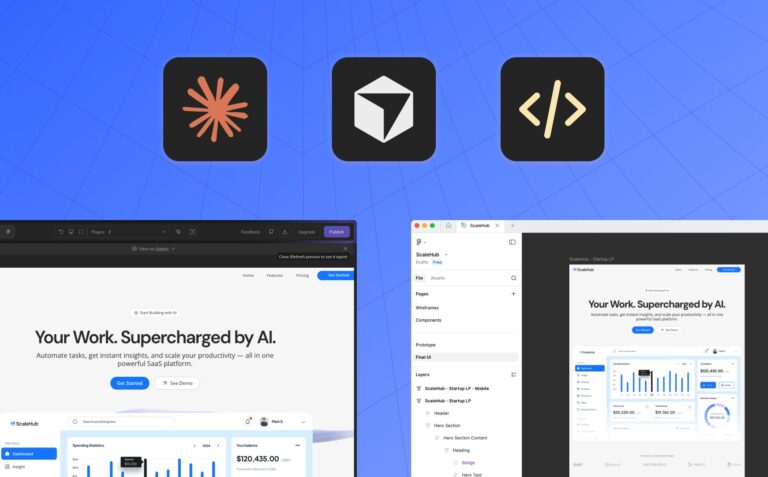
- Translates Figma designs into structured code
- Captures the “visual DNA” of existing websites
- Generates interfaces that look intentional — not guessed
Instead of prompting an agent to describe a UI, the agent can now build and see it live.
The biggest unlock: agents can generate multiple product variants
The most powerful capability isn’t just building apps, it’s parallel exploration. AI agents can now generate multiple interpretations of the same product idea, publish each variant automatically, and iterate based on real visual feedback.
- Create multiple interpretations of the same product idea
- Vary layout, structure, and visual style
- Publish each variant automatically
- Return live URLs and screenshots for comparison
- Iterate quickly based on the chosen direction
This turns prompting into a design exploration workflow, not a one-shot output. Instead of asking “is this UI good?”, teams can ask “which direction works best?”, and decide visually.
From prompt, Figma, or URL → live app
Anima supports three creation paths that AI agents can trigger programmatically:
Prompt to Code
Describe an idea in plain language. Anima generates a full, working application with UI, logic, database, authentication, and hosting.
Link to Code
Provide a website URL. Anima captures its visual language, typography, colors, spacing, and layout, and turns it into editable, design-aware code.
Figma to Playground
Provide a Figma file. Anima turns designs into a live, testable application that can be iterated on immediately.
Each output can be published to a live URL in minutes.
Design-aware code, not blind generation
Traditional AI coding tools often guess UI details from text or screenshots. Anima doesn’t guess, it builds from visual intent and produces design-aware, structured output.
- Structured, readable frontend code
- Design tokens and consistent styling
- UI-library aligned components
- Visual snapshots for accuracy checks
- Clear implementation guidelines
For teams with existing codebases, Anima can also generate stack-aware code directly from Figma or Playground into real projects.
Built for AI agent workflows
Anima integrates via MCP and works across agent environments:
- Claude Code
- ChatGPT
- OpenClaw
- MCP-compatible coding agents
- Headless agent pipelines
Agents can create, publish, compare, and iterate, without manual UI steps.
Why this matters
AI agents are no longer just assistants that write code. With Anima, they can design interfaces, explore multiple product directions, ship live experiences, and maintain brand and visual quality.
This closes the gap between idea → design → code → live app, inside a single AI-driven workflow.
The future of vibe coding is design-aware
Vibe coding isn’t just about speed. It’s about intentional interfaces, not accidental ones. By giving AI agents design awareness, Anima enables workflows where agents don’t just build faster, they build better products.